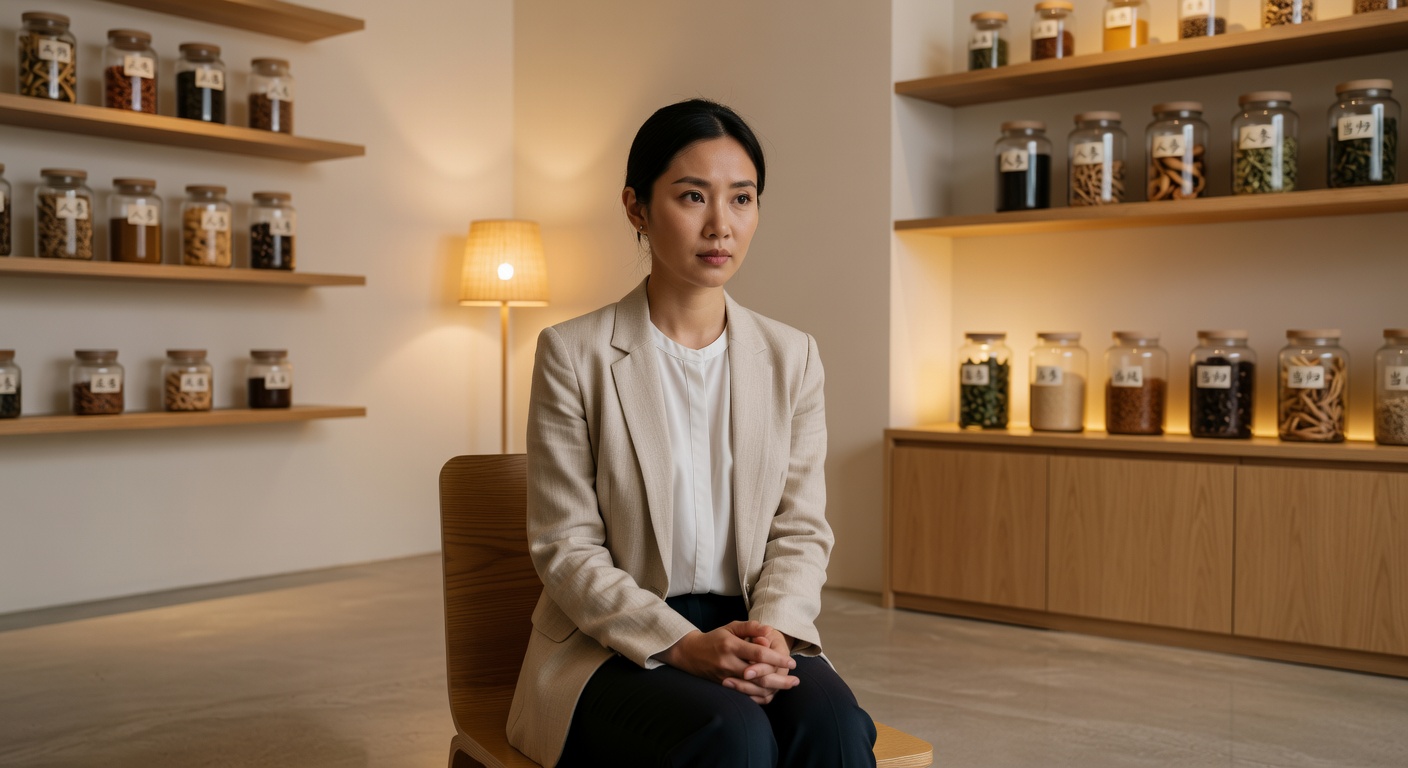


Nobody prepares you for this. The pregnancy test was positive, the plans started forming, and then it ended. In Singapore, miscarriage is common but rarely talked about. One in four recognised pregnancies ends in loss, according to the American College of Obstetricians and Gynecologists (ACOG). Yet despite how frequently it happens, most women receive very little guidance on what comes after, beyond “wait for your next period and try again.”
That advice is not wrong, but it is incomplete. A miscarriage is not just a reset button. It is a physical event that depletes Blood, Qi, and Kidney essence, the very resources your body needs to sustain a future pregnancy. Traditional Chinese Medicine has treated post-miscarriage recovery for centuries, not as an afterthought, but as a distinct and necessary phase of reproductive care.
Why “Just Try Again” Is Not Enough
Western medicine typically advises waiting one to three menstrual cycles before trying to conceive again, primarily to allow the uterine lining to rebuild and hormone levels to stabilise. Physically, most women can ovulate as early as two weeks after a miscarriage. But “can” and “should” are different questions.
From a TCM perspective, a miscarriage represents a significant loss of resources. The body invested Blood and Qi into growing the pregnancy, and when the pregnancy ends, those resources are not automatically replenished. Jumping back into trying to conceive without addressing the depletion is like replanting a garden in exhausted soil. Something might grow, but the conditions are not optimal.
Common post-miscarriage patterns that TCM physicians see in clinic include:
- Blood deficiency: Fatigue that sleep does not fix, dizziness, pale complexion, scanty periods in the cycles following the loss
- Kidney Qi and Essence depletion: Lower back pain, weak knees, feeling “emptied out,” reduced libido
- Blood stasis: Persistent dark bleeding or spotting, abdominal pain or cramping that lingers, clots in subsequent periods
- Liver Qi stagnation: Emotional volatility, tightness in the chest and ribcage, irritability, disrupted sleep
- Spleen Qi deficiency: Poor appetite, bloating, loose stools, difficulty gaining or maintaining weight
Most women experience a combination of two or more of these patterns. The specific mix varies based on the gestational age at loss, whether the miscarriage was spontaneous or required medical intervention (D&C or medication), and the woman’s pre-existing constitutional patterns.
Phase 1: The First Two Weeks After Loss
The initial recovery window is the most physically demanding. Your body is managing bleeding, hormonal fluctuation, and the physical aftermath of pregnancy tissue passing. In TCM, this period parallels a small-scale postpartum recovery, and it is treated with similar seriousness.
Clearing and Nourishing Simultaneously
The TCM approach in week one focuses on ensuring the uterus fully empties while beginning to nourish Blood. These two goals may seem contradictory, but TCM herbal formulations are designed to address both. A physician might prescribe a modified version of Sheng Hua Tang (生化汤), a classical formula traditionally used to promote uterine contraction and discharge of residual tissue while invigorating Blood circulation.
This is the same foundational formula used in postpartum recovery, adjusted for the specific context of miscarriage. The physician modifies the herbs based on your individual presentation: more Blood-moving herbs if there is stasis and incomplete discharge, more tonifying herbs if the primary pattern is deficiency.
What to Avoid During the First Two Weeks
TCM recovery guidelines during this period are practical and specific to the Singapore context:
- Cold foods and drinks: No iced beverages, cold salads, sashimi, or chilled fruit. The Spleen and Kidney Yang are already weakened; cold further impairs their function.
- Raw and “cooling” foods: Avoid watermelon, green bean soup, chrysanthemum tea, and other traditionally cooling foods that Singaporeans consume regularly.
- Strenuous exercise: This means no gym sessions, running, or intense yoga. Gentle walking is fine. The body needs to direct energy toward repair, not exertion.
- Swimming and baths: Avoid immersing the lower body in water to reduce the risk of infection and prevent the introduction of “dampness” according to TCM principles.
Phase 2: Weeks Three to Six, Rebuilding the Foundation
Once active bleeding has stopped and the uterus has cleared, treatment shifts toward rebuilding. This is the phase where most of the substantive recovery work happens.
Herbal Prescriptions for Replenishment
Your TCM physician will likely shift to Blood and Qi tonifying formulas. Common base formulas include Ba Zhen Tang (八珍汤), which combines the “Four Gentlemen” (Si Jun Zi Tang) to tonify Qi with the “Four Substances” (Si Wu Tang) to nourish Blood. If Kidney deficiency is prominent, herbs like Du Zhong (eucommia bark), Xu Duan (teasel root), and Tu Si Zi (dodder seed) may be added to strengthen the Kidney system and support the uterine environment.
These prescriptions are not one-size-fits-all. A woman who had a D&C at 10 weeks receives a different herbal strategy from someone who had an early chemical pregnancy at 5 weeks. The physician reassesses your pulse and tongue at each visit and adjusts the formula accordingly.
Acupuncture for Recovery
Acupuncture during this phase serves multiple purposes. Points like Ren 4 (Guanyuan) and ST 36 (Zusanli) are used to rebuild Qi and Blood. SP 6 (Sanyinjiao) supports the Spleen, Liver, and Kidney meridians simultaneously. For women experiencing significant grief or anxiety, points like HT 7 (Shenmen) and Yin Tang (between the eyebrows) help calm the mind and regulate the Heart system.
A 2025 systematic review and meta-analysis found that Traditional Chinese Medicine, including herbal formulas such as Shoutai Pills, showed promise as a complementary approach for recurrent miscarriage, with improvements in pregnancy continuation rates and symptom relief.
Phase 3: Months Two to Three, Preparing for the Future
By the second month, your period should have returned (typically four to six weeks after miscarriage). This is when treatment transitions from recovery to preparation for future conception.
Cycle-Phase Treatment
Your physician will begin timing treatments to your menstrual cycle phases, similar to a standard TCM fertility protocol. During the follicular phase, treatment nourishes Yin and Blood to support follicle development. At ovulation, treatment promotes smooth Qi movement. During the luteal phase, treatment supports Kidney Yang and progesterone production to maintain a healthy uterine lining.
This phased approach is particularly important for women who have experienced recurrent losses. Research suggests that inadequate luteal phase support and poor endometrial quality contribute to repeat miscarriage. TCM’s cycle-phase treatment directly targets these factors.
Addressing Underlying Patterns
If the miscarriage revealed an underlying pattern (recurrent losses, thyroid dysfunction, blood clotting factors), this is the phase where TCM works alongside your gynaecologist to address root causes. TCM does not replace medical investigations into miscarriage causes, but it can complement them.
For example, a woman diagnosed with antiphospholipid syndrome will follow her haematologist’s medication protocol. TCM treatment can run in parallel, focusing on reducing Blood stasis and improving circulation without interfering with the medical treatment. Communication between your TCM physician and Western doctor is important here.

The Emotional Recovery: TCM Recognises Grief as Physical
In Western healthcare, the emotional impact of miscarriage is often separated from the physical recovery: you might be referred to a counsellor or support group, which is valuable. But TCM does not draw such a hard line between body and mind.
In TCM theory, grief and sadness directly affect the Lung and Heart systems. Prolonged sadness depletes Qi and disrupts the smooth flow of energy throughout the body. Anxiety and overthinking damage the Spleen, impairing digestion and nutrient absorption. Anger and frustration cause Liver Qi to stagnate, which can disrupt the menstrual cycle.
This is not metaphorical. Women who experience significant emotional distress after miscarriage frequently present with corresponding physical symptoms: a tight, wiry pulse (Liver stagnation), poor appetite (Spleen deficiency from worry), insomnia (Heart Blood deficiency), and shallow breathing (Lung Qi deficiency from grief).
TCM treatment addresses these emotional patterns through the same tools used for physical recovery: herbal medicine, acupuncture, and dietary guidance. Treating the grief is not a separate track. It is woven into the recovery protocol because the body cannot rebuild its reproductive capacity while its emotional resources remain depleted.
Practical Recovery Nutrition for Singapore
Your TCM physician will likely recommend specific foods to support recovery, calibrated to the Singapore food landscape:
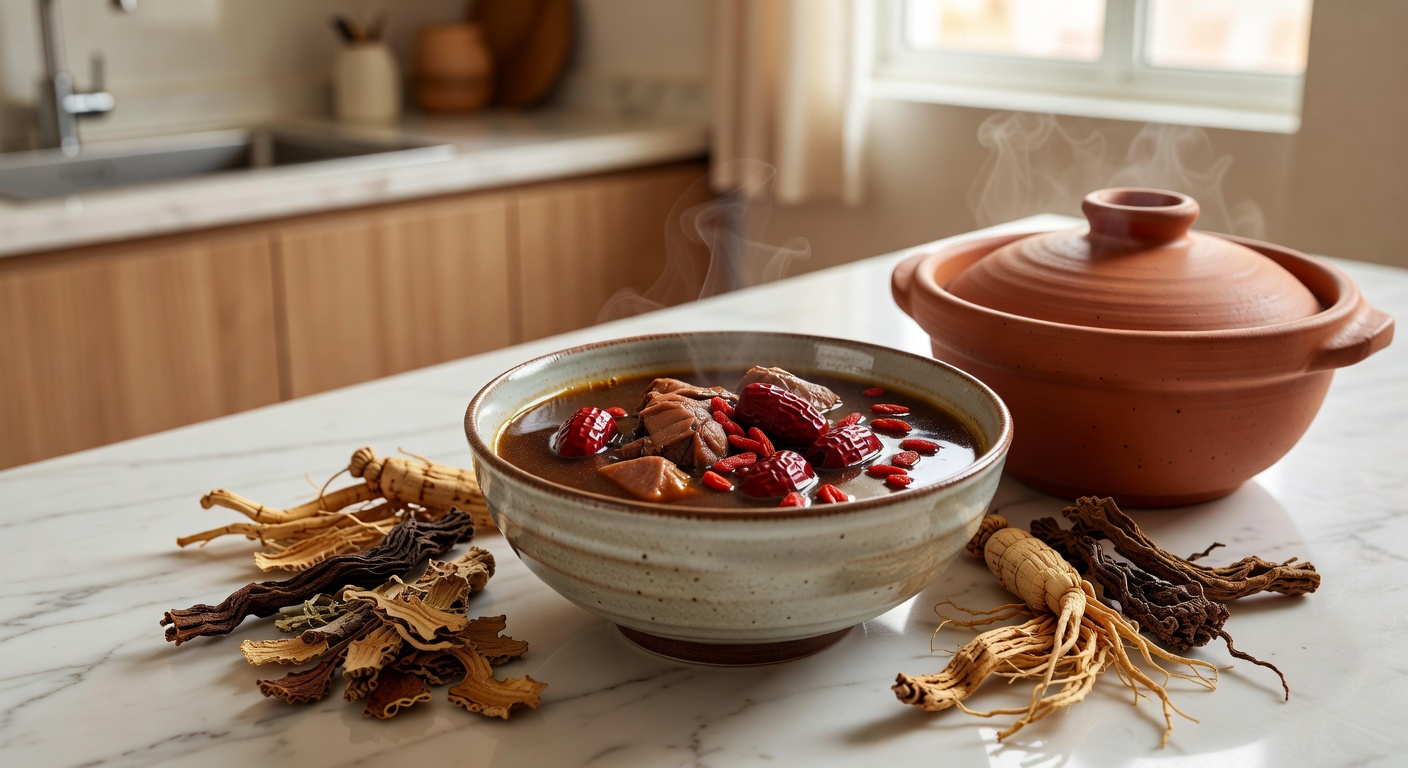
- Black chicken soup (乌鸡汤): A traditional Blood tonic. Black-boned chicken is available at most wet markets in Singapore. Cooked with red dates, goji berries, and dang gui, it nourishes Blood and Qi.
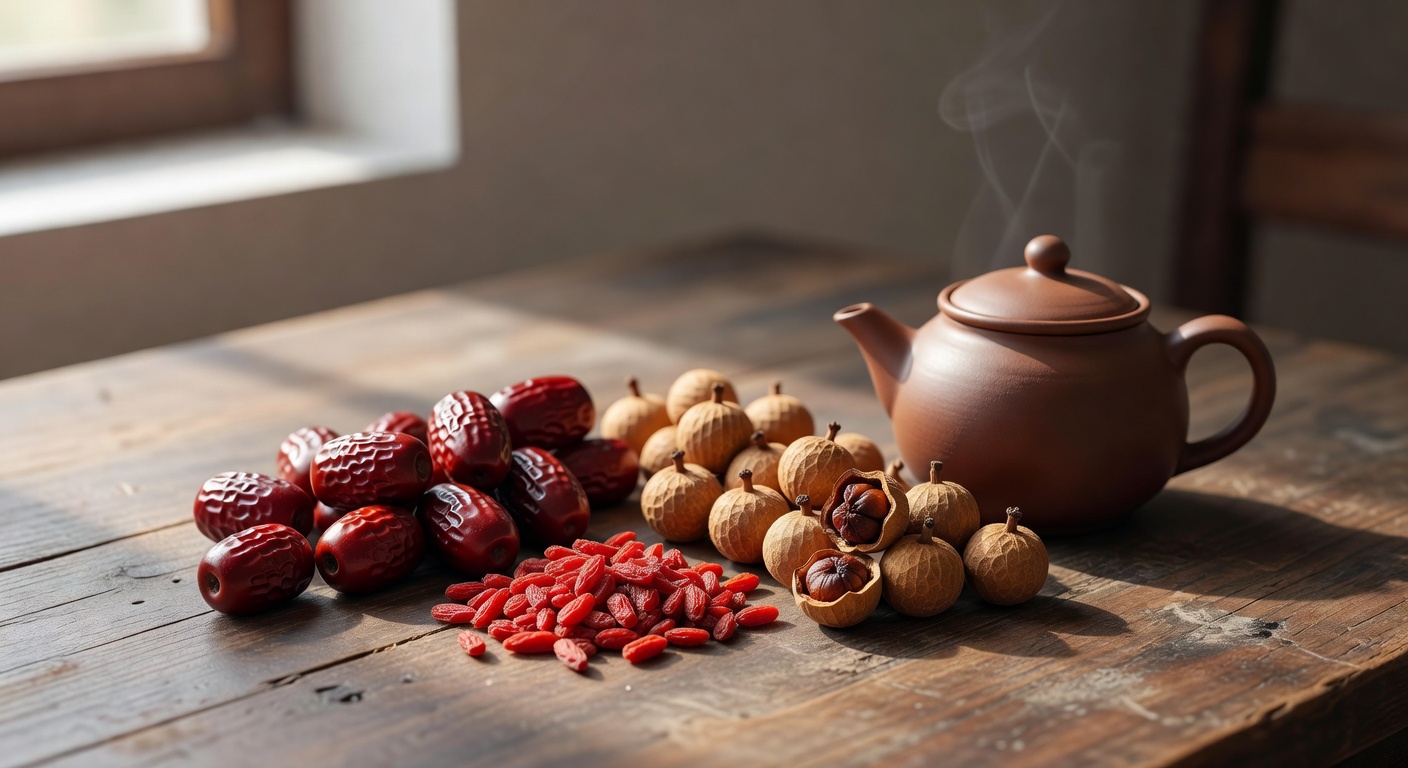
- Red date and longan tea: A warming beverage that supports the Spleen and Heart. Easy to prepare at home and a good replacement for cold drinks.
- Sesame oil chicken (麻油鸡): A Taiwanese postpartum staple that applies equally to post-miscarriage recovery. The sesame oil is warming, and the ginger promotes circulation.
- Avoid raw salads and smoothie bowls: Despite their popularity in Singapore’s wellness scene, these are considered cold and difficult to digest during the recovery period.
These are not obscure recommendations. Most of these ingredients are available at any NTUC FairPrice or neighbourhood provision shop. The goal is to make recovery nutrition accessible, not complicated.
When to Start TCM Treatment After a Miscarriage
The sooner, the better. Many women wait until they are ready to try again before seeking TCM support, but recovery treatment ideally begins within the first week after the loss. Just as postnatal confinement starts immediately after delivery, post-miscarriage recovery should start promptly.
If you have already passed the acute phase and your period has returned, it is not too late. A TCM physician can assess your current state and design a recovery protocol from wherever you are. The three-month recovery timeline simply adjusts to your starting point.
Moving Forward
Miscarriage does not define your fertility. The WHO notes that infertility affects millions globally, but a single miscarriage does not indicate a fertility disorder. Most women who experience one miscarriage go on to have healthy pregnancies. The question is not whether you can conceive again, but whether your body has had the chance to properly recover first.
TCM offers a structured, phased approach to that recovery: clearing and nourishing in the first weeks, rebuilding Blood and Qi in the middle phase, and preparing the body for future conception once the foundation is restored. It works alongside Western medical care, not against it.
If you have experienced a miscarriage and want to give your body the best chance at a healthy future pregnancy, a consultation with a licensed TCM physician is a practical first step. Learn more about TCM fertility support in Singapore and how a personalised recovery plan can be designed around your needs.