

Shopping for a pregnancy massage and confused by the names? Prenatal massage, pregnancy massage, and maternity massage are, in almost every case, the same thing: a massage designed for women during pregnancy. The different words are mostly marketing. Here is what each term really means, what actually matters when you book in Singapore, and how it differs from a regular massage.
The short answer: they all mean the same thing
Prenatal, pregnancy, and maternity massage all describe a massage tailored to an expecting mum’s body. “Prenatal” simply means “before birth,” so all three point to the same care. When you see these terms on a spa or clinic menu, you can treat them as interchangeable and choose based on the therapist and the service, not the label. In a bit more detail:
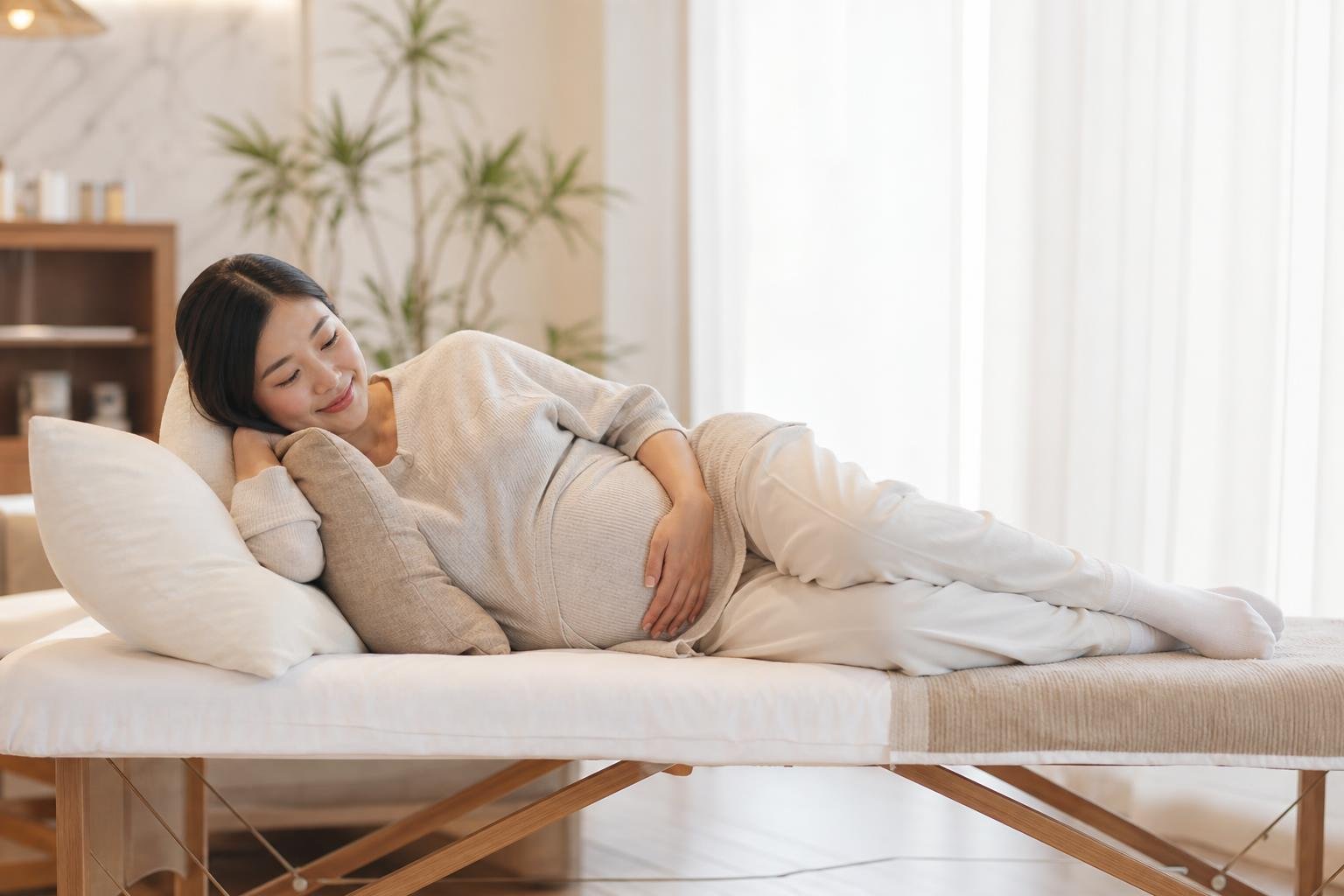
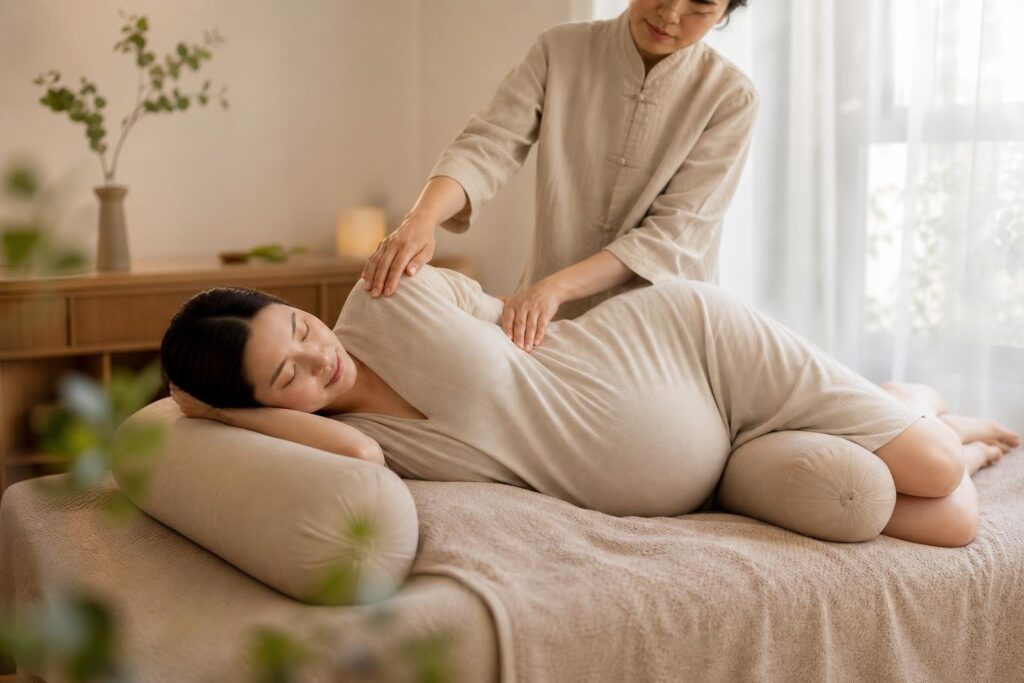
- Prenatal massage is the most common and most accurate term used by trained therapists. A prenatal massage is adapted for pregnancy: gentler pressure where needed, safe positioning (usually on your side or propped up rather than flat on your tummy), and a focus on the aches pregnancy brings.
- Pregnancy massage is just the plain-English version of the same service. Some clinics use this term because it is the clearest for mums searching online.
- Maternity massage is another name for the same treatment. Occasionally a clinic uses “maternity” as an umbrella term that may also cover after-birth care, so it is worth a quick check.
Why are there so many names?
The different words exist mostly because clinics and spas describe the same service in whatever way they think mums will search for. Some use the medical-sounding “prenatal,” some use the plain “pregnancy massage,” and some prefer the softer “maternity massage.” None of this changes the treatment itself; it is the same idea dressed in different words.
What a prenatal massage helps with
Whatever you call it, a good pregnancy massage can help:
- Ease lower back, hip, and pelvic aches
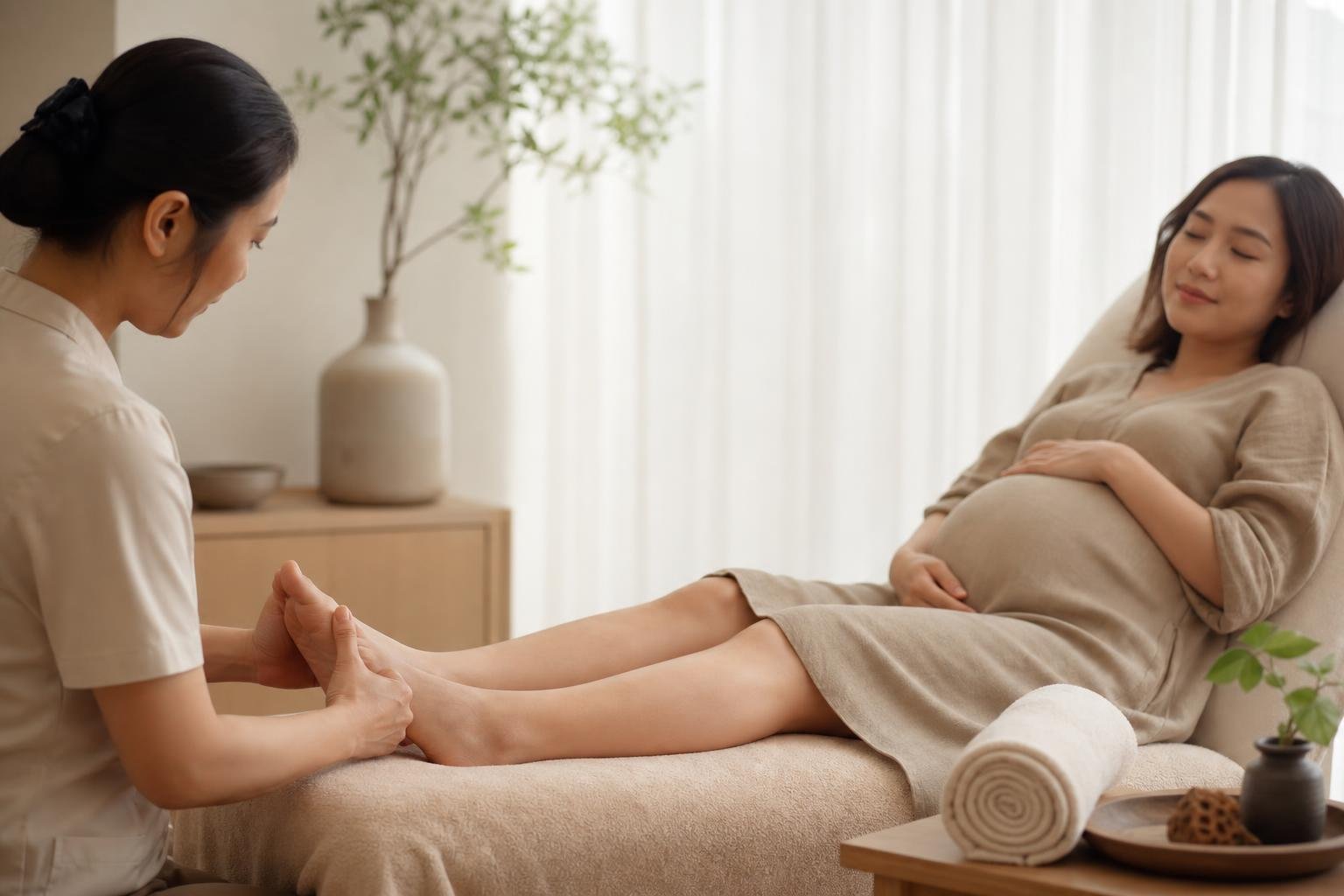
- Relieve tired, swollen legs and feet
- Loosen tight shoulders and neck
- Improve sleep and lower stress
- Reduce general tension as your body changes shape
- Give you an hour of much-needed rest and care
How it differs from a regular massage
A prenatal massage is not just a normal massage done on a pregnant woman. A trained therapist makes several important changes:
- Positioning: you lie on your side or are propped up, never flat on your stomach, and not flat on your back for long periods in later pregnancy.
- Pressure: gentler and adjusted to your comfort, avoiding very deep work on certain areas.
- Areas of focus: more attention to the lower back, hips, and legs where pregnancy aches gather.
- Areas of caution: some pressure points are treated lightly or avoided during pregnancy.
This is why the therapist’s training matters more than the name on the menu.
What happens during a session
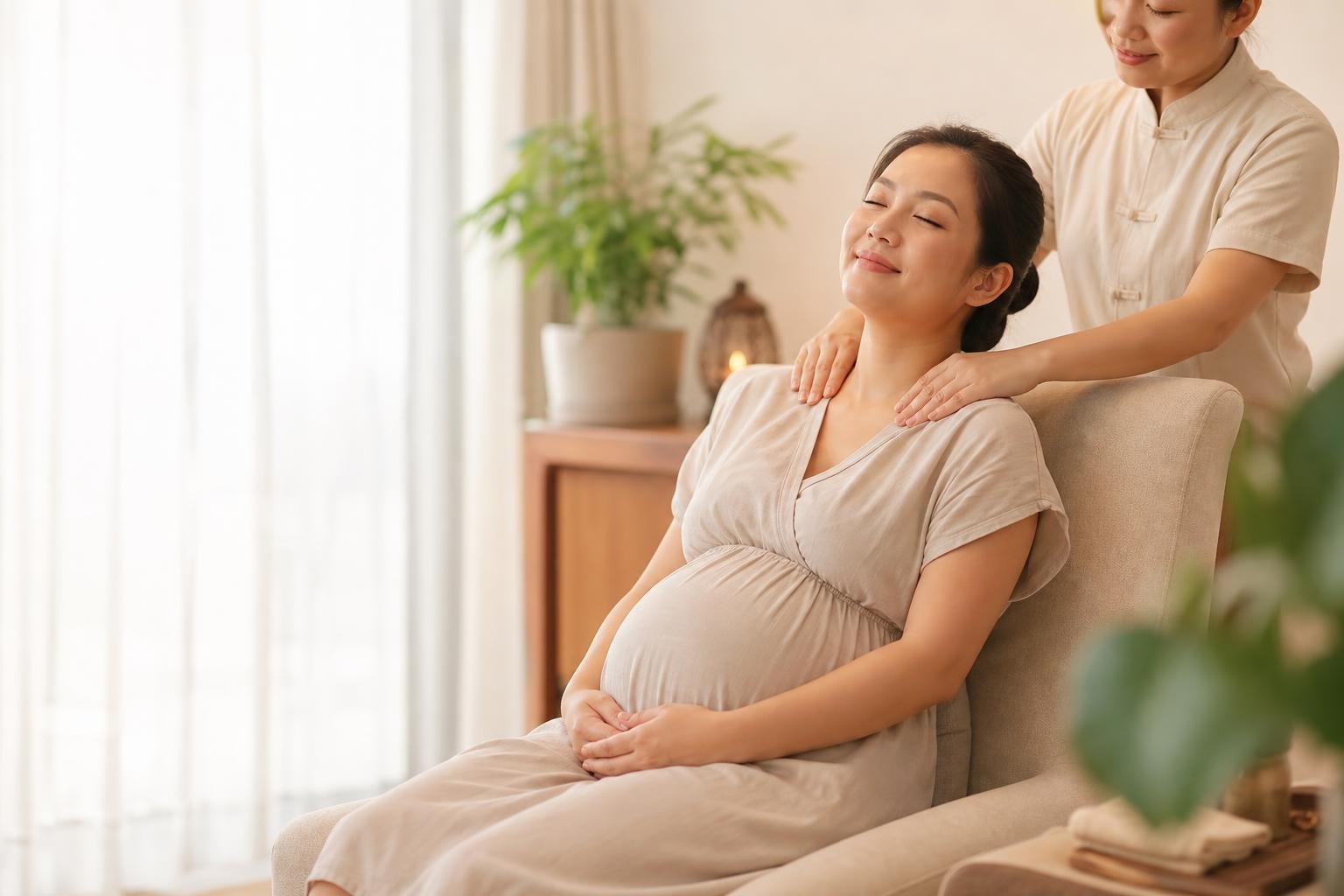
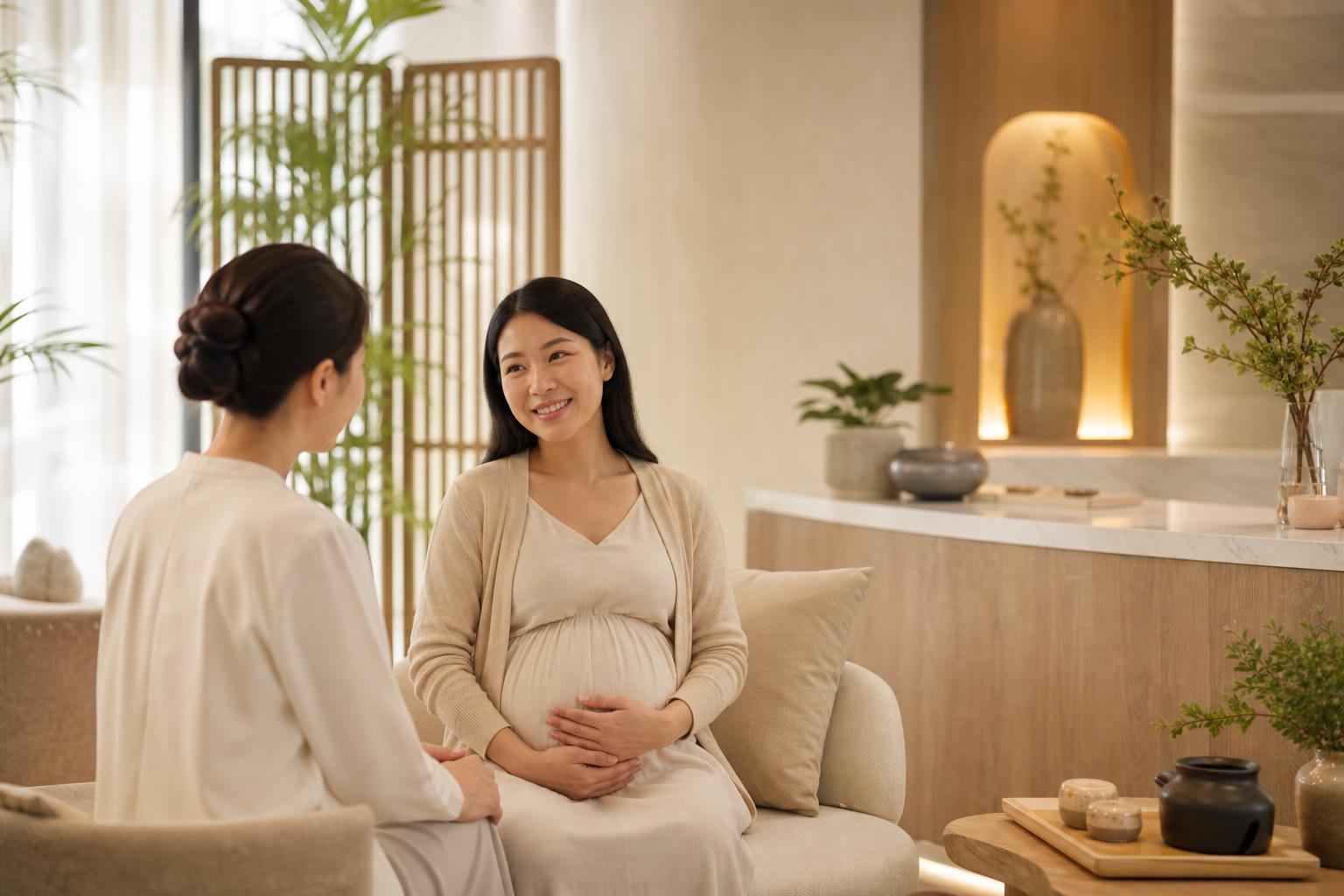
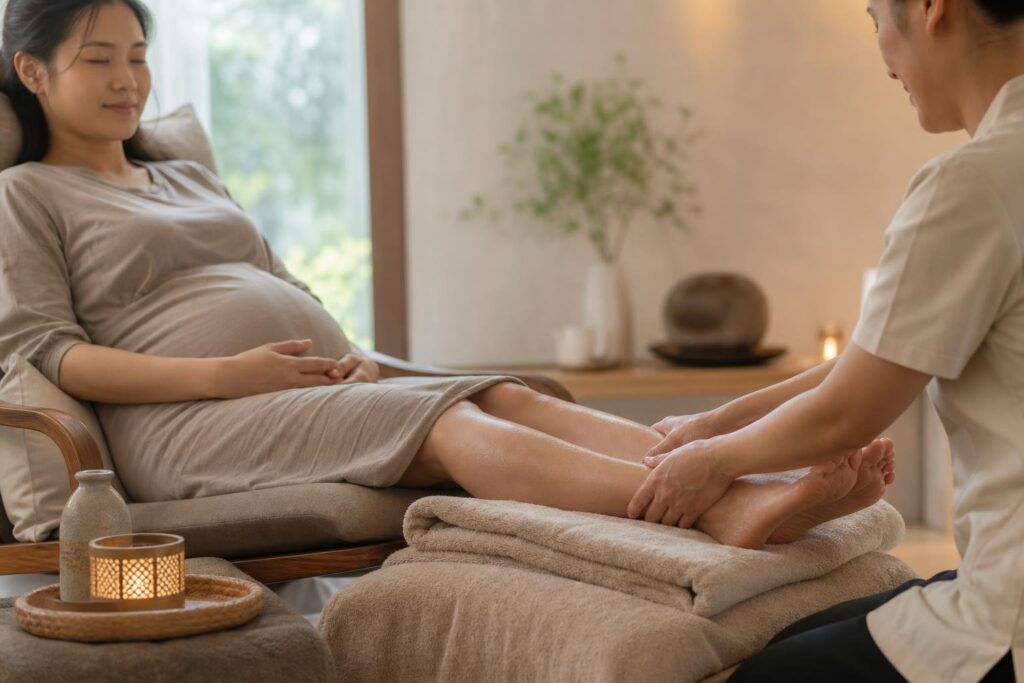
A typical prenatal massage lasts about 60 minutes. Your therapist will ask how far along you are and whether you have any aches or complications, then settle you comfortably on your side with cushions for support. Using gentle, flowing strokes, they work through your back, hips, shoulders, and legs, checking in on the pressure as they go. Most mums find it deeply relaxing, a rare chance to switch off and be cared for.
What actually matters when you book
The name on the menu matters far less than these three things:
- A therapist trained in pregnancy massage. This is the big one. They will know safe positioning, pressure, and the areas to avoid.
- Safe positioning. You should be comfortable on your side or well-propped, never lying flat on your bump.
- The right timing. Many clinics begin prenatal massage from the second trimester. Always mention how many weeks pregnant you are and any complications.
If you are new to it, our guide to prenatal massage by trimester explains how sessions change as your bump grows.
When to be cautious or wait
Prenatal massage suits most healthy pregnancies, but check with your doctor first if you have a high-risk pregnancy, high blood pressure, a history of preterm labour, bleeding, or any complication your doctor is watching. Always tell your therapist how far along you are and how you are feeling on the day, so they can adapt or, if needed, reschedule. When it is done by a trained therapist using safe positions and gentle techniques, prenatal massage is considered safe for most mums with a healthy pregnancy.
What about postnatal (confinement) massage?
That is the one term that really is different. Postnatal (confinement) massage happens after your baby arrives, to help your body recover. If you are still expecting, you want prenatal; once you have delivered, postnatal is the one to book. Here is the quick cheat-sheet:
- Prenatal massage: during pregnancy. The most accurate term.
- Pregnancy massage: the same thing, in plain English.
- Maternity massage: the same thing again; occasionally used more broadly.
- Postnatal or confinement massage: the different one, for after birth and recovery.
Frequently asked questions
Is there any difference between prenatal and maternity massage?
No. They are different names for the same pregnancy massage. Focus on the therapist’s training, not the label.
When can I start prenatal massage?
Many clinics start from the second trimester, but it depends on your pregnancy. Check with your doctor and your therapist.
Is it the same as confinement massage?
No. Confinement (postnatal) massage is for after birth. Prenatal massage is during pregnancy.
How often can I have a prenatal massage?
Many mums go monthly, then more often in the achier final weeks. Your therapist can suggest a rhythm that suits you.
Can a prenatal massage bring on labour?
A gentle, properly performed prenatal massage will not start labour in a healthy pregnancy. Trained therapists simply keep the pressure light around a few points that are usually reserved for full-term. If you have any concerns, mention them before you start.
Is pregnancy massage safe in the first trimester?
Many clinics prefer to wait until the second trimester, partly for comfort and partly out of caution in the early weeks. Check with your doctor and your therapist if you would like a massage sooner.
Not sure which to book? Try our prenatal massage and TCM consultation, a relaxing session with expert advice tailored to your stage.