



A single IVF cycle in Singapore costs between $10,000 and $15,000 before government co-funding, and even at the best fertility centres, the clinical pregnancy rate per transfer hovers around 35 to 40 per cent for women under 35. Those numbers drop with age. When that much money and emotional energy rides on each cycle, it makes sense to ask a practical question: is there anything else you can do to nudge the odds in your favour?
A growing number of Singaporean women are answering that question by adding TCM acupuncture and herbal support to their IVF protocols. Not as a replacement for reproductive medicine, but as a structured complement, timed to each phase of the cycle. The research behind this approach has matured considerably over the past decade, and the clinical logic is more specific than many people realise.
What the Evidence Actually Shows About TCM and IVF
The strongest evidence for combining TCM with IVF centres on acupuncture delivered around the time of embryo transfer. A landmark meta-analysis published in the BMJ (Manheimer et al., 2008), pooling data from seven randomised controlled trials involving 1,366 women, found that acupuncture administered within one day of embryo transfer improved clinical pregnancy rates by 65 per cent (odds ratio 1.65) and nearly doubled live birth rates (odds ratio 1.91). The number needed to treat was 10, meaning that for every 10 women who received acupuncture alongside embryo transfer, one additional woman achieved a live birth who would not have otherwise.
More recent evidence has refined these findings. A 2022 meta-analysis by Zhou et al. confirmed a positive association between acupuncture and improved IVF pregnancy outcomes, while a 2024 systematic review by Wang et al. examined how the timing and dosage of acupuncture sessions influenced IVF-ET results, suggesting that the scheduling of treatments across different cycle phases matters as much as the acupuncture itself.
These are not fringe journals. The BMJ is one of the most cited medical publications in the world. For couples weighing up whether to integrate TCM into their IVF cycle, the evidence base is credible enough to warrant a serious conversation with both your fertility specialist and your TCM physician.
Phase 1: Preparing the Foundation Before Ovarian Stimulation
Most IVF protocols begin with a period of downregulation or preparation before the hormone injections start. This window, typically one to three months before stimulation, is where TCM physicians focus on what they call “nourishing the soil before planting the seed.”
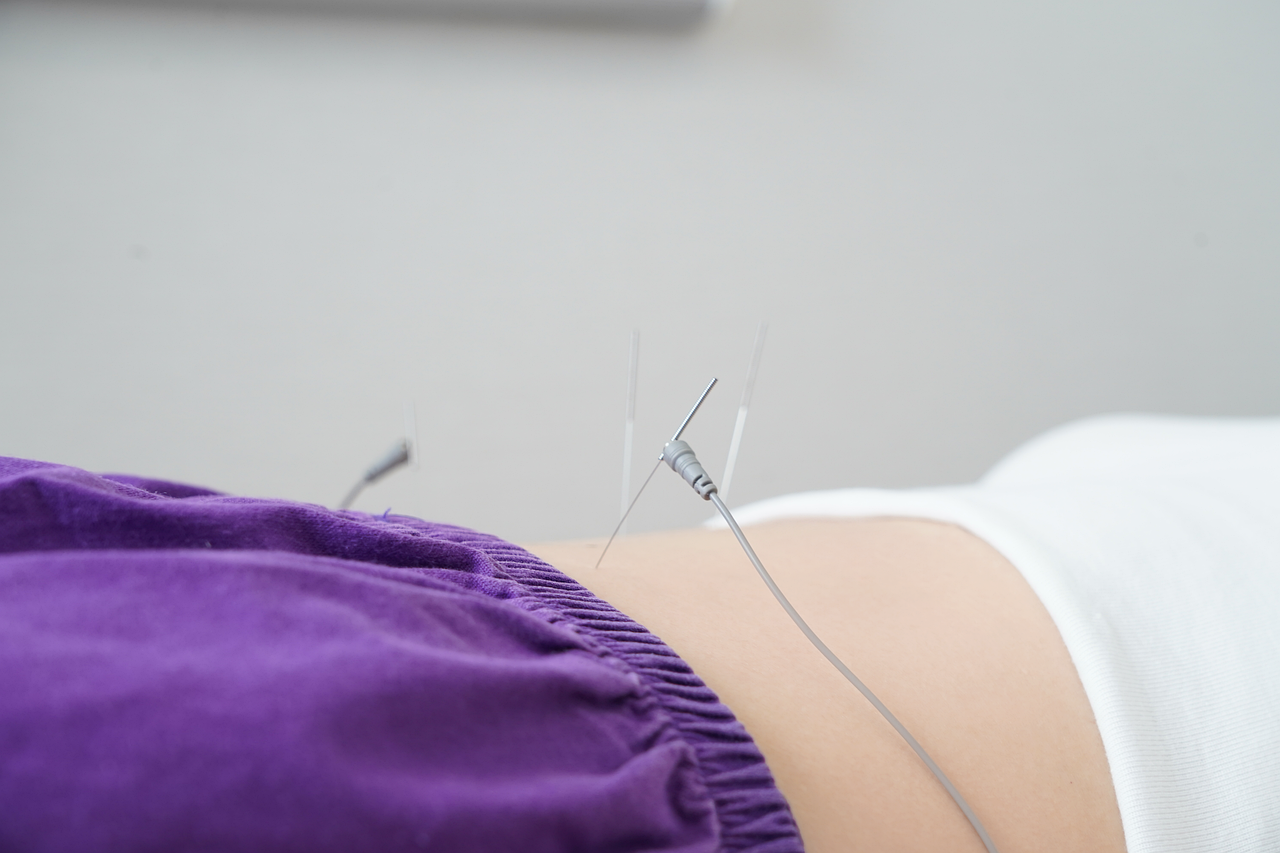
In practical terms, this pre-stimulation phase involves:
- Acupuncture to improve ovarian blood flow. Points along the lower abdomen and lumbosacral region are selected to promote circulation to the reproductive organs. The goal is to create a more responsive environment for the ovaries before they are stimulated with gonadotropins.
- Herbal formulations tailored to your TCM diagnosis. A woman diagnosed with kidney yin deficiency will receive a different prescription from one with blood stasis or dampness accumulation. These are not generic “fertility herbs.” They are condition-specific formulations that your TCM physician adjusts based on pulse and tongue diagnosis at each visit.
- Cycle regulation. If your periods are irregular, excessively heavy, or accompanied by significant clotting, TCM treatment in this phase aims to establish a more predictable cycle pattern before you begin stimulation drugs.
Physician Chen Ying Chu (Cora), Council Member of the Singapore Chinese Physicians’ Association and Director & Mentor at the Singapore College of Traditional Chinese Medicine, notes that this preparatory phase is often the most overlooked by patients eager to start IVF immediately. “Many women come to us after a failed cycle, wishing they had spent two or three months preparing first. The body responds better to stimulation when it is not already in a depleted state.”
The practical consideration for Singapore couples: starting TCM support early means factoring in the cost of weekly or fortnightly acupuncture sessions and herbal prescriptions during the preparation window. Budget roughly $80 to $150 per acupuncture session and $15 to $30 per day for customised herbal prescriptions. It is an additional outlay, but viewed against the cost of repeating a failed cycle, many couples consider it a reasonable investment.
Phase 2: TCM Support During Ovarian Stimulation
Once the fertility specialist begins administering stimulation medications (typically FSH injections over 8 to 14 days), the TCM approach shifts. The priority during this phase is supporting your body’s response to the hormonal load without interfering with it.
Managing Stimulation Side Effects
Bloating, headaches, mood swings, and disrupted sleep are common during stimulation. Acupuncture during this phase targets symptom management. Specific point combinations can help with abdominal distension from ovarian enlargement, reduce the intensity of headaches caused by hormonal fluctuations, and support better sleep quality during what many women describe as one of the most physically uncomfortable stages of IVF.
Herbal Medicine Adjustments
This is a phase where close coordination between your TCM physician and your fertility specialist is essential. Some herbal ingredients can interact with the medications used in IVF protocols. A responsible TCM physician will modify or simplify your herbal prescription during stimulation, focusing on gentle formulas that support digestion, reduce fluid retention, and calm the nervous system without affecting hormone levels.
Your TCM physician should know exactly which medications you are taking, including the specific stimulation protocol (long protocol, short protocol, or antagonist protocol), so that herbal prescriptions can be adjusted accordingly.
Phase 3: Around Egg Retrieval
Egg retrieval is a minor surgical procedure performed under sedation. Most fertility centres advise rest for one to two days afterwards. TCM support around retrieval focuses on two priorities: reducing anxiety before the procedure and aiding recovery afterwards.
An acupuncture session one to two days before retrieval can help manage the pre-procedure anxiety that many women experience. The session typically includes points known for their calming effects on the nervous system, combined with lower abdominal points to maintain good pelvic circulation.
After retrieval, some women experience mild to moderate bloating, cramping, or fatigue. A follow-up acupuncture session within 24 to 48 hours can help ease these symptoms and support the body’s recovery before the embryo transfer, which usually takes place three to five days later.
If your clinic is performing a freeze-all cycle (where all embryos are frozen for transfer in a later cycle), the post-retrieval recovery period becomes an opportunity for more extended TCM support to help your body reset before the frozen embryo transfer.
Phase 4: The Day of Embryo Transfer
This is the phase with the strongest research support. The BMJ meta-analysis specifically examined acupuncture performed on the day of embryo transfer, typically one session 25 to 30 minutes before the procedure and another session immediately afterwards.
The pre-transfer session focuses on relaxing the uterus and reducing any cramping or tension that could interfere with the procedure. Points on the lower abdomen, legs, and ears are commonly used. The post-transfer session emphasises maintaining uterine calm and promoting blood flow to the endometrium, supporting the conditions for implantation.
The Wang et al. (2024) systematic review found that this specific timing pattern, acupuncture both before and after transfer on the same day, was associated with the most favourable outcomes compared to acupuncture at other time points alone.
If your fertility centre does not have an acupuncture practitioner on site, you will need to plan the logistics carefully. Some women schedule their pre-transfer acupuncture at their TCM clinic earlier that morning, proceed to the fertility centre for the transfer, and return for the post-transfer session the same afternoon. Discuss the timing with both your TCM physician and your embryologist so the schedule works without adding unnecessary stress.
Phase 5: The Two-Week Wait
The period between embryo transfer and the pregnancy blood test is widely regarded as the most emotionally challenging part of IVF. There is nothing to do medically except wait, and the uncertainty can be overwhelming.
TCM support during the two-week wait serves two purposes:
Supporting Implantation Conditions
Gentle acupuncture during the first week after transfer continues the work of promoting endometrial blood flow and a calm uterine environment. Sessions are typically lighter in intensity than earlier phases, with careful point selection that avoids any strong stimulation. Points on the lower abdomen are generally avoided during this period; treatment focuses on distal points on the limbs and ears.
Managing Anxiety and Sleep
The psychological toll of the two-week wait is significant. Sleeplessness, obsessive symptom-checking, and emotional volatility are normal responses to an abnormal level of uncertainty. Acupuncture has a well-documented effect on the parasympathetic nervous system, and many women report that their sessions during this period are the only time they feel genuinely calm.
Herbal support during the two-week wait is typically conservative. Most TCM physicians prescribe only mild, well-established formulas during this period, prioritising safety above all else.
Coordinating TCM and IVF: Practical Considerations for Singapore
Communication Between Practitioners
The most important factor in integrating TCM with IVF is transparent communication. Your fertility specialist should know you are receiving TCM treatment, and your TCM physician needs the details of your IVF protocol. In Singapore, most reproductive medicine specialists are pragmatic about complementary therapies. They may not actively recommend TCM, but few will object if you are working with a qualified, registered practitioner who understands the boundaries.
Choosing a TCM Physician for IVF Support
Not all TCM physicians have experience with IVF protocols. Look for a practitioner who:
- Is registered with the Traditional Chinese Medicine Practitioners Board (TCMPB) in Singapore
- Has specific experience treating patients undergoing IVF
- Is willing to communicate with your fertility specialist
- Understands which herbs and acupuncture points to avoid during specific IVF phases
- Adjusts treatment protocols based on your cycle timeline rather than following a generic plan
Cost Planning
A realistic budget for TCM support across one full IVF cycle (including two to three months of preparation) might look like this:
- Pre-stimulation phase (8 to 12 sessions): $640 to $1,800
- Stimulation phase (2 to 4 sessions): $160 to $600
- Retrieval and transfer phase (3 to 4 sessions): $240 to $600
- Two-week wait (2 to 3 sessions): $160 to $450
- Herbal prescriptions throughout: $400 to $900
Total additional cost: approximately $1,600 to $4,350 over three to four months. This is not insignificant, but it represents a fraction of the IVF cycle cost itself.
When TCM Is Not Appropriate During IVF
Responsible TCM practice means knowing when to step back. There are situations where TCM support should be paused or modified:
- If you develop ovarian hyperstimulation syndrome (OHSS), acupuncture should be suspended until your fertility specialist clears you.
- Certain acupuncture points are contraindicated during the luteal phase and after embryo transfer due to their stimulating effect on the uterus.
- If you are taking blood-thinning medications as part of your IVF protocol, some herbal ingredients that promote blood circulation should be avoided.
A qualified TCM physician will recognise these situations and adjust accordingly. If your practitioner is not asking about your medications or IVF timeline, that is a reason to seek a different provider.
Building a Complete Fertility Support Plan
TCM support for IVF works best as part of a broader, well-coordinated approach to fertility. Whether you are about to start your first cycle or preparing for another attempt after a previous transfer did not succeed, the phase-specific framework outlined here gives you a concrete way to think about how traditional medicine fits alongside modern reproductive science.
For a fuller picture of how TCM approaches fertility beyond the IVF context, including natural conception support, cycle regulation, and long-term reproductive health, visit our TCM natural fertility page. Understanding the complete landscape can help you and your practitioners make better decisions together, wherever you are in the process.


