

Home TCM Treatment

TCM Consultation / Teleconsultation

Book A TCM Appointment

Healing Begins with TCM Consultation

tcm-img
tcm-img

The Yellow Emperor’s Classic of Internal Medicine, Huángdì Nèijīng, states, “What manifests within will inevitably be reflected externally”. In TCM, this means internal imbalances often appear as external signs.

During consultation, our physician looks beyond symptoms. Using four diagnostic methods — observation (望), listening (聞), inquiry (問), and palpation (切), we examine your complexion, tongue coating, voice tone, odours, pulse, and lifestyle habits.

We uncover the root of your condition and personalise a TCM treatment plan that restore balance and healing.

The Philosophy Behind TCM Healing

Understanding TCM Principles: Yin-Yang, Qi & The Five Elements

The Yellow Emperor’s Inner Canon states: "When Yin and Yang are in harmony, physical vitality and mental peace naturally follow."

Yin and Yang

Yin and Yang represent the fundamental qualities of TCM, classifying symptoms as either internal, slow, and cold (Yin) or external, acute, and hot (Yang).


Cold and Heat

Cold and Heat distinguish the nature of symptoms: Cold signs include chills, pale complexion, and cold limbs, while Heat signs manifest as fever, thirst, and flushed skin.


Qi and Blood Energy

Qi (vital energy) and Blood work together to energise and nourish the body. Practitioners assess their flow to detect deficiencies, stagnation, or imbalances.

Meridians

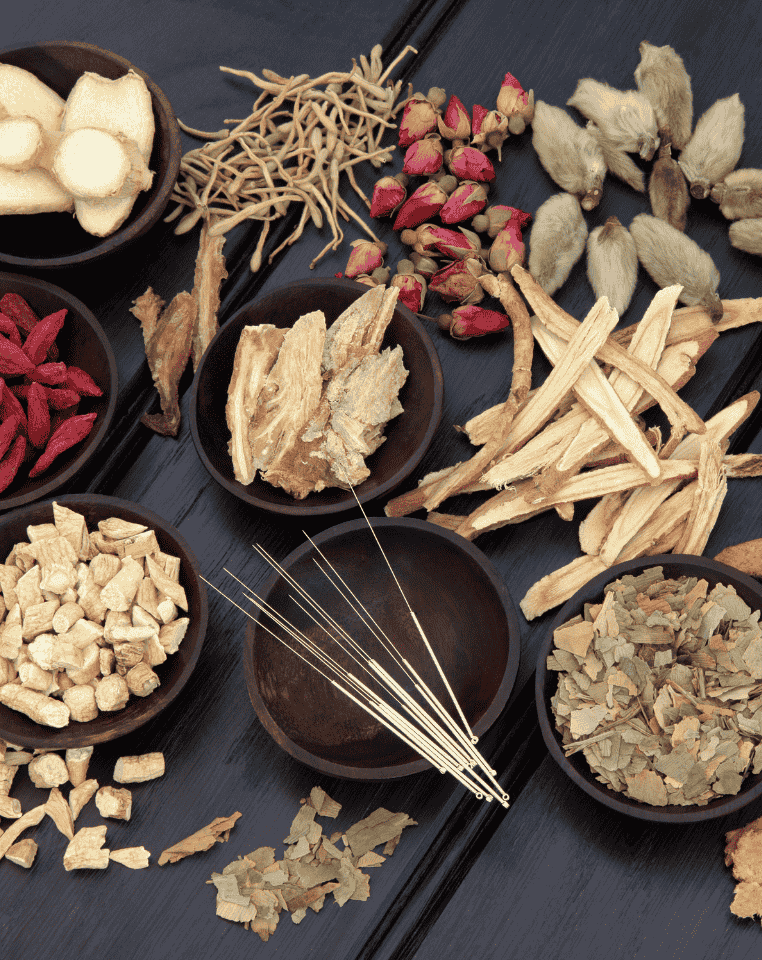
Meridians are pathways that carry Qi throughout the body. During consultations, practitioners identify specific points along these pathways for treatment to address ailments.


Five Elements and Organ System

The Five Elements—wood, fire, earth, metal, and water—represent organ relationships in TCM, each element linked to specific organs, guiding diagnoses and treatments.


Body Constitution

Each individual’s body constitution shapes health resilience. Physicians assess types to customise diet, lifestyle, and treatments, promoting overall balance.

The Lao Niang TCM Difference

At Lao Niang TCM, we offer personalised, bilingual consultations with experienced physicians, combining acupuncture, herbal treatments, and lifestyle guidance for balanced, whole-body health.
Book A TCM Appointment

Bilingual Communication

Our physicians are fluent in both English and Chinese, ensuring accessible and comfortable consultations for patients from diverse backgrounds.


Experienced Registered TCM Physicians

Led by licensed professionals with experience from leading TCM hospitals, ensuring trusted expertise and care.


Holistic Approach

Integrates acupuncture, herbal treatments, and lifestyle advice to promote balanced, whole-body health.


Personalised Care

Each treatment plan is tailored to meet your unique needs, ensuring attentive and compassionate support.

From Diagnosis to Healing

What to Expect During Your TCM Consultation

For clients residing in Singapore, the initial consultation is face-to-face, with teleconsultation available for follow-ups. For overseas clients, the first consultation can be conducted via teleconsultation.

First Consultation (General) $45 – $80
Follow-up $30 – $50

Step 1: Comprehensive Health Inquiry (問)

The consultation begins with a detailed review of your health history, lifestyle, symptoms, emotions, and daily routines. This uncovers key health factors and guides the treatment plan.

Step 1: Comprehensive Health Inquiry (問)

Step 2: Integrating Health Reports

Bring along any previous health reports or Western medical results to be reviewed for a balanced, complete assessment. This approach combines TCM insights with the client’s existing medical background.

Step 2: Integrating Health Reports

Step 3: Observation (望)

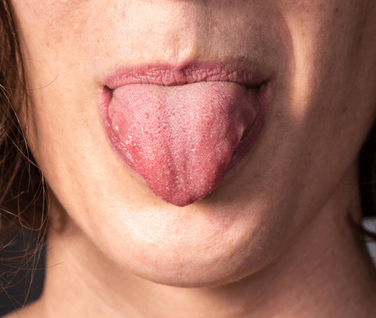
Our physician will carefully observe signs like the tongue’s colour, shape, and coating, as well as complexion, eye clarity, and your overall demeanour. These visible details can reveal underlying health conditions.

Step 3: Observation (望)

Step 4: Listening and Smelling (聞)

Our physician notes the tone and quality of your voice and any noticeable smells, as these can reflect imbalances in the body. Sounds and smells provide subtle insights into your health.

Step 4: Listening and Smelling (聞)

Step 5: Pulse-taking (切)

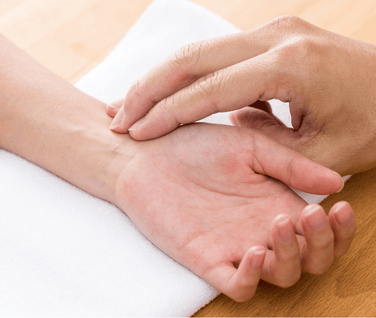
Our physician will take pulses on both wrists to assess your organ health. The left wrist pulse reflects the heart, liver, and kidney-yin, while the right wrist indicates the state of the lung, spleen, and kidney-yang.

Step 5: Pulse-taking (切)

Step 6: Diagnosis and Personalised Treatment Plan

With all the information gathered, our physician provides a diagnosis and creates a personalised treatment plan. This may include Chinese herbal medicine, acupuncture, cupping, tuina (therapeutic massage), lifestyle adjustments, and follow-up consultations to support long-term health.

Step 6: Diagnosis and Personalised Treatment Plan
Preparing for Your Visit

Common Questions Prior To A TCM Consultation

Dos:

  1. Eat a light meal – This helps avoid discomfort during the consultation.
  2. Wear loose, comfortable clothing – Allows for easier examination, especially if acupuncture or pulse-checking is involved.
  3. Bring any previous medical reports – Relevant health records or test results provide a comprehensive view for accurate diagnosis.

Don’ts:

  1. Avoid scraping your tongue coating – The physician assesses the tongue coating as part of the diagnosis, so it’s best to leave it untouched.
  2. Avoid wearing heavy makeup – The physician observes your complexion as a health indicator, so a bare face is preferable.
  3. Avoid caffeine and alcohol – These can affect pulse quality and may interfere with an accurate diagnosis.
  • Systemic Approach: TCM views the body as an interconnected system, focusing on the balance of energy (Qi) and the harmony of Yin and Yang rather than isolated diseases.
  • Patterns of Disharmony: TCM identifies patterns like Qi deficiency, blood stagnation, or damp-heat that underlie symptoms, focusing on the root cause rather than just the symptoms.
  • Organ Relationships: Unlike Western medicine, which treats organs individually, TCM considers the relationships among organs based on theories like the Five Elements, understanding how one organ’s imbalance can affect another.
  • External and Internal Influences: TCM assesses how factors like climate, diet, emotions, and lifestyle contribute to health, looking at how both external and internal influences disrupt balance.
  • Holistic Treatment Goal: TCM aims to restore balance in the body’s systems rather than targeting a specific disease, using treatments to harmonise Qi, Yin-Yang, and organ systems for overall well-being.
  • Generally Safe and Complementary: TCM is usually safe to use alongside Western medicine, as both approaches often address health from different angles—TCM focuses on balance and root causes, while Western medicine targets specific symptoms.
  • Inform Practitioners: It’s essential to inform both your TCM physician and Western healthcare provider about all medications, herbs, and treatments you’re receiving. This helps prevent potential interactions, ensuring both therapies work harmoniously.
  • Herb-Drug Interactions: Some Chinese herbs may interact with Western medications, affecting their potency or side effects. For instance, herbs that thin the blood could enhance the effects of anticoagulant drugs, so practitioner guidance is important.
  • Supportive and Preventive: TCM can support Western treatments by addressing side effects (e.g., using acupuncture to reduce nausea during chemotherapy) and by improving overall resilience through methods like Qi-balancing or herbal tonics.
  • Holistic and Targeted Care: Combining TCM with Western medicine can offer a more comprehensive approach to health, where Western medicine handles acute issues and TCM promotes long-term balance and preventive care for enhanced well-being.
  • Standard Consultation Duration: Most TCM consultations last about 20 to 30 minutes, providing enough time for assessment and treatment adjustments.
  • Treatment Inclusions: If acupuncture, cupping, or other treatments are part of the session, the consultation may extend slightly to accommodate these procedures.
  • Follow-Up Sessions: Follow-ups are typically shorter, focusing on progress checks and treatment adjustments, and may take around 10-20 minutes depending on needs.
  • Flexible Timing: The duration can be adjusted based on the complexity of the case, ensuring each session meets the client’s specific health goals.
  • Chinese Herbal Medicine: A personalised mix of herbal remedies to address specific imbalances, promote healing, and support overall health.
  • Acupuncture: Insertion of fine needles at specific acupoints to stimulate Qi flow, relieve pain, and restore energy balance.
  • Cupping Therapy: Using suction cups to stimulate circulation, release muscle tension, and promote detoxification.
  • Tuina (Therapeutic Massage): A therapeutic massage technique to relieve pain, enhance circulation, and restore musculoskeletal balance.
  • Lifestyle and Dietary Guidance: Advice on diet, exercise, and stress management to support long-term health and prevent imbalances.
  • Mind-Body Practices: May include breathing exercises, Qi Gong, or meditation techniques to harmonise mind and body, enhancing mental clarity and reducing stress.
  • Varies by Health Goals: The frequency of TCM consultations is tailored to your health goals and the specifics of your treatment plan.
  • Acute Conditions: For acute conditions or symptoms requiring intensive care, weekly sessions may be recommended to achieve quicker results.
  • Chronic or Long-Term Health Support: For chronic issues or ongoing health maintenance, bi-weekly or monthly sessions may be sufficient, allowing gradual improvement over time.
  • Maintenance and Prevention: For those focusing on preventive care or general wellness, as-needed or quarterly follow-ups can help maintain balance and prevent future health issues.
  • Flexible Approach: The consultation schedule is adaptable and can be adjusted based on progress, seasonal changes, and personal needs to ensure the best outcomes.