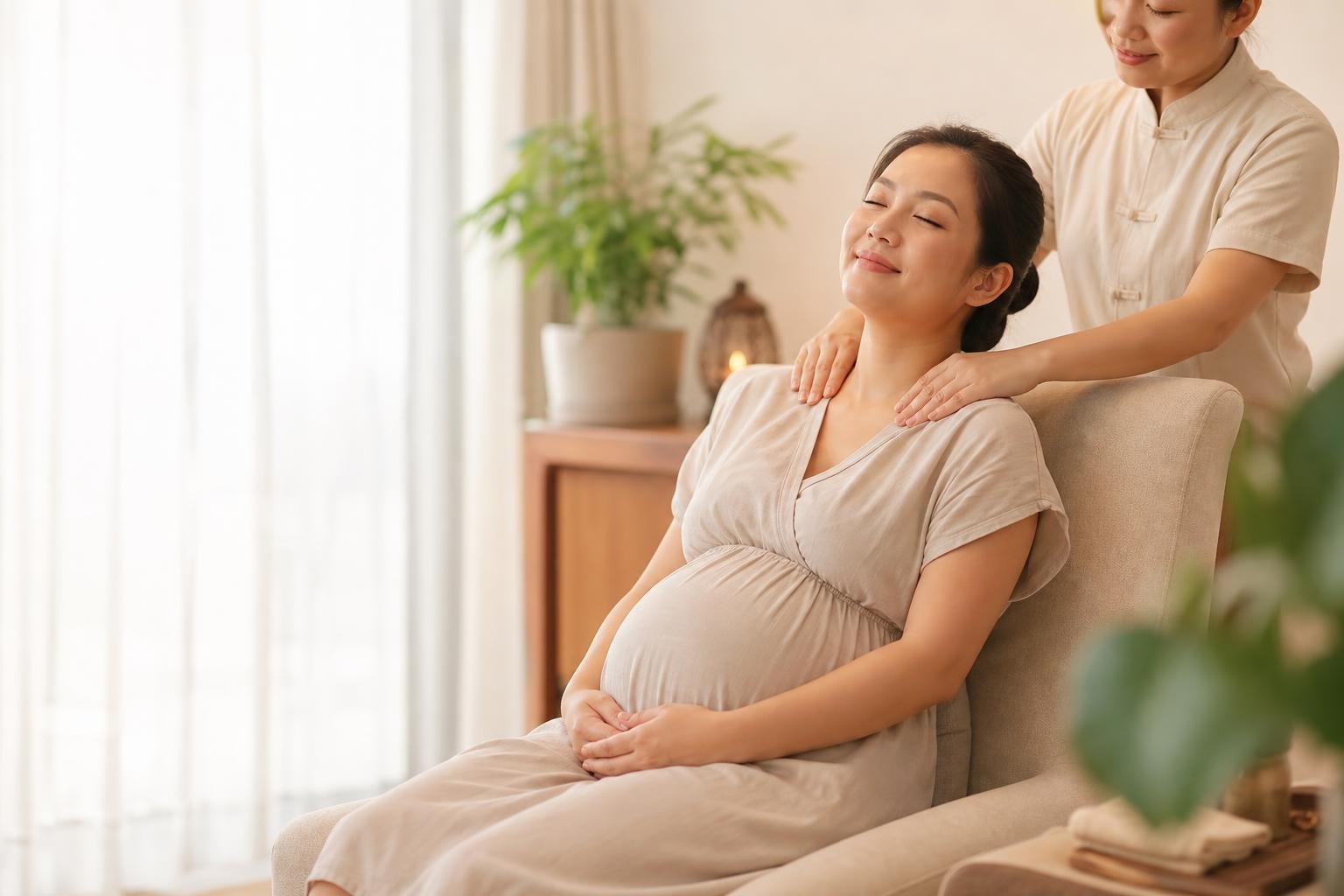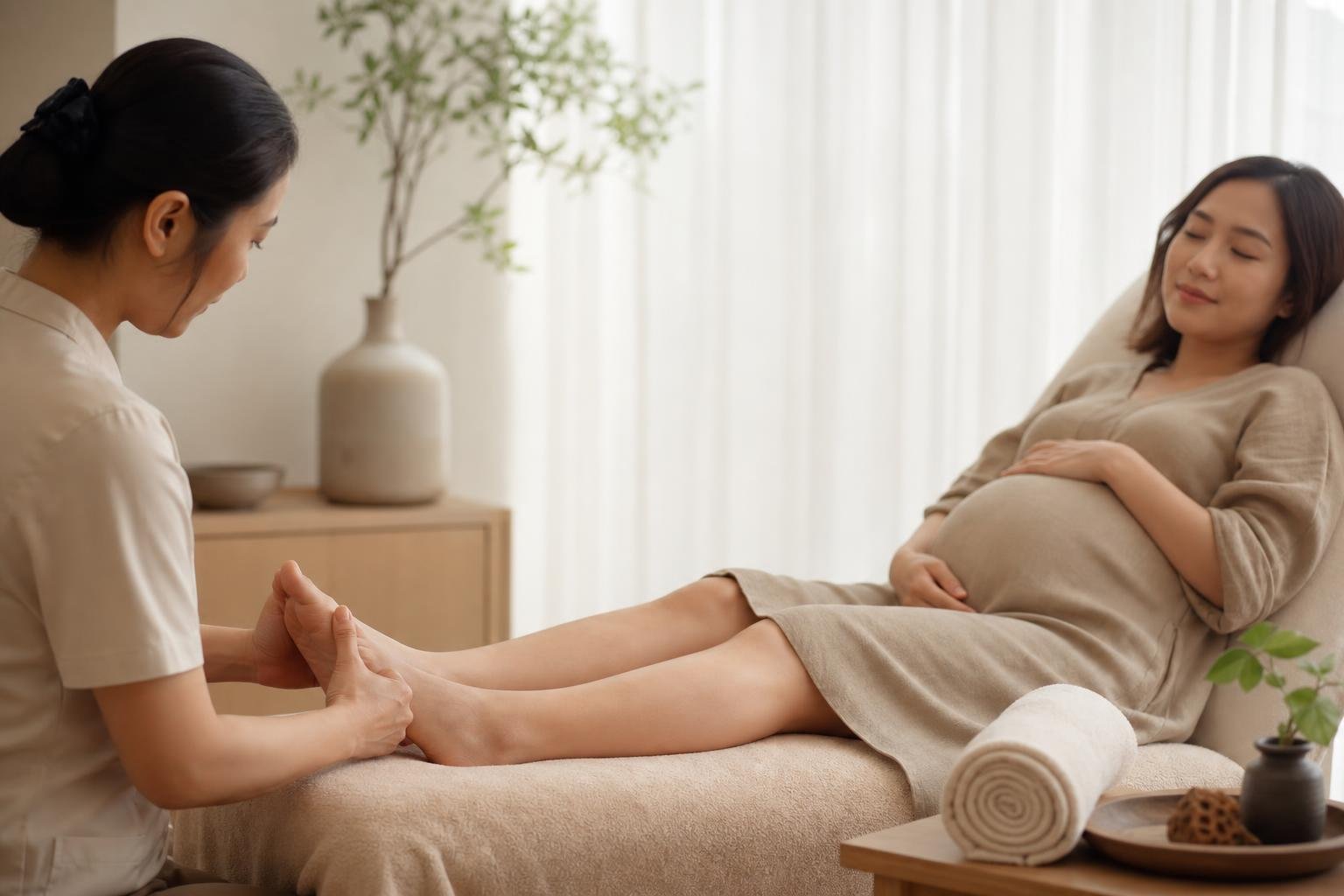



Wondering whether a pregnancy massage is actually worth your time and money, or just a nice-to-have treat? It is a fair question. The good news is that the prenatal massage benefits mums talk about are not only marketing. Research and years of clinical experience point to real, practical relief, from easier sleep to calmer days to fewer aches. Here is an honest look at what the evidence suggests, why these benefits happen, and how to get the most from your sessions.
Is a prenatal massage really worth it?
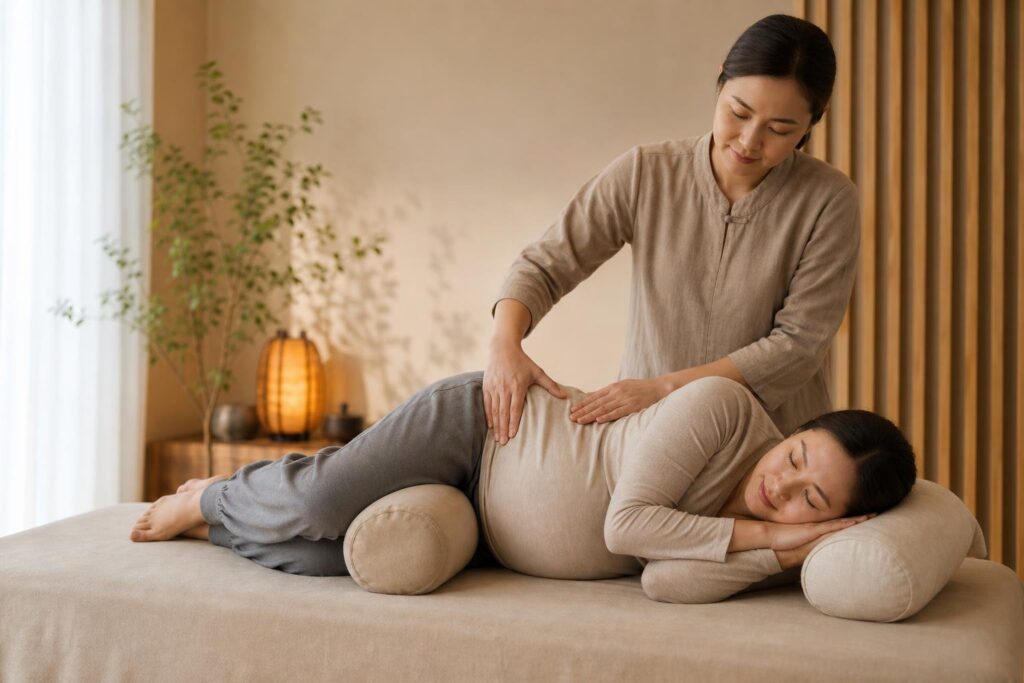
For most mums with a healthy pregnancy, yes. A prenatal massage is a treatment adapted for pregnancy: gentler pressure, safe side-lying positioning, and a focus on the aches that come with a growing bump. It is not a cure-all, and it does not replace your doctor’s care. But studies on pregnancy massage, while modest in size, tend to point the same way, and the day-to-day feedback from mums is consistent. Less pain, better rest, and a calmer mind are the benefits that come up again and again.
It helps to be realistic. Massage works best as regular support across your pregnancy, not a one-off fix. Think of it as upkeep for a body that is changing fast.
What the research suggests it helps with
No single session does everything, and results vary from mum to mum. Still, a few benefits show up often enough in research and clinic experience to be worth taking seriously.
Aches in the back, hips, and pelvis
This is the benefit most mums notice first. As your bump grows, your posture shifts and your lower back, hips, and pelvis take the strain. Research on pregnancy massage supports this. In a review of pregnancy massage studies, women reported less back and leg pain after regular sessions. A larger analysis that pooled several trials found hands-on therapies like massage eased pregnancy-related back and pelvic pain compared with usual care, though it honestly noted the effect was less clear against a sham treatment, a hint that the caring, hands-on contact itself is part of what helps. Either way, many mums report real relief afterwards. By loosening tight muscles and easing the pull on overworked areas, a good session can make walking, sitting, and sleeping more comfortable. If pain is your main concern, our TCM pregnancy pain management approach can be tailored around it.
Better sleep and less swelling
Sleep gets harder as pregnancy goes on, between the bump, the aches, and a busy mind. Because massage relaxes the body and calms the nervous system, many mums find they sleep more easily on the night of a session and sometimes for a few nights after. Gentle massage of the legs may also help with the puffy, swollen feet and ankles common in later pregnancy, by encouraging fluid that has pooled in the lower limbs to move along. The relief is often temporary, but a real comfort when your feet feel heavy.
Stress, anxiety, and a brighter mood
Pregnancy is a big emotional shift, and worry is normal. This is one of the most studied prenatal massage benefits. In studies of pregnant women, including those going through depression, regular massage was linked to lower anxiety and depression, with some of that benefit carrying into the weeks after birth. The effect appears to be partly chemical: those same studies measured lower levels of the stress hormone cortisol after a course of massage, alongside the lift in mood. Just as important, an hour where someone is caring for you, with nothing to do but rest, is good for the mind in a way that is hard to measure but easy to feel.
Labour and birth
Some research has explored whether regular pregnancy massage is linked to smoother labour. In one body of work, women who had regular prenatal massage went on to have labours that were on average around three hours shorter, with less need for pain medication. A Cochrane review looking at massage during labour itself also found lower pain scores, and in one trial less anxiety in early labour. The findings are promising but not settled, so this is one to hold loosely. What is more certain is that going into labour feeling rested, less tense, and more at ease in your body is a sensible goal, and massage can help you get there.
Why these benefits happen
The benefits are not magic. They come from a few simple, sensible effects on the body:
- Muscles relax. Gentle, skilled pressure releases tight muscles that build up as your posture changes, which takes pressure off sore joints.
- Circulation gets a nudge. Massage encourages blood and lymph flow, which is part of why swelling in the legs can ease.
- The nervous system calms down. Relaxing touch shifts your body out of stress mode, which is linked to lower stress hormones, better sleep, and a steadier mood.
- You actually rest. Quiet, undisturbed time on the table is rare in pregnancy, and that rest is a benefit in itself.
None of these need overclaiming to be valuable. Small, repeated relief across a long pregnancy adds up.
How to get the most benefit
A few simple choices make a real difference to what you get out of each session:
- Choose a trained therapist. Someone trained in pregnancy massage will know safe positioning, the right pressure, and the areas to treat gently. This matters far more than the name on the menu.
- Go regularly. Many mums find monthly sessions helpful, moving to more often in the achier final weeks. Steady support beats a one-off.
- Speak up. Tell your therapist how many weeks along you are, where you ache, and how you feel on the day, so they can adapt.
- Match it to your stage. What helps in the second trimester differs from the third. Our guide to prenatal massage by trimester explains how sessions change as your bump grows.
When to check with your doctor first
Prenatal massage suits most healthy pregnancies, but it is not right for everyone, and a quick check with your doctor is wise if anything about your pregnancy needs watching. Speak to your doctor first if you have a high-risk pregnancy, high blood pressure, a history of preterm labour, any bleeding, severe swelling that comes on suddenly, or another complication your doctor is monitoring. Always tell your therapist how you are feeling on the day. When it is done by a trained therapist using safe positions and gentle techniques, prenatal massage is considered safe for most mums with a healthy pregnancy.
Frequently asked questions
Are the benefits of prenatal massage backed by research?
In part, yes. Studies are generally small, but they tend to point to less pain, lower stress and anxiety, and better mood. Clinical experience backs this up. It is fair to say the benefits are evidence-informed rather than guaranteed for everyone. You can see the main studies referenced at the end of this article.
How soon will I feel the benefits?
Many mums feel more relaxed and less achy straight after a session, with better sleep that night. Benefits like steadier mood and easier pain tend to build with regular visits.
Can prenatal massage help with swollen feet?
It can. Gentle massage of the legs may help move fluid that has pooled in the lower limbs, easing puffiness. The relief is usually temporary, so regular sessions help. Mention sudden or severe swelling to your doctor.
Will it help me sleep better?
Often, yes. By relaxing the body and easing aches, massage can make it easier to fall asleep, and many mums report better rest for a night or two afterwards.
Does massage actually reduce stress hormones?
Research suggests relaxing massage is linked to lower stress hormones and a lift in the body’s feel-good signals. The exact numbers vary between studies, but the calming effect is consistent and something most mums feel.
How often should I go to feel a difference?
Many mums start monthly and go more often in the final weeks. Your therapist can suggest a rhythm based on your symptoms and stage.
The research behind this article
We have kept the claims on this page in step with what the published research actually shows. These are the main studies referenced above:
- Field, T., Diego, M., Hernandez-Reif, M., Deeds, O., & Figueiredo, B. (2009). Pregnancy massage reduces prematurity, low birthweight and postpartum depression. Infant Behavior and Development, 32(4), 454–460. Read on PubMed
- Field, T. (2010). Pregnancy and labor massage. Expert Review of Obstetrics & Gynecology, 5(2), 177–181. Read on PMC
- Hall, H., Cramer, H., Sundberg, T., Ward, L., Adams, J., Moore, C., Sibbritt, D., & Lauche, R. (2016). The effectiveness of complementary manual therapies for pregnancy-related back and pelvic pain: A systematic review with meta-analysis. Medicine (Baltimore), 95(38), e4723. Read on PMC
- Smith, C. A., Levett, K. M., Collins, C. T., Dahlen, H. G., Ee, C. C., & Suganuma, M. (2018). Massage, reflexology and other manual methods for pain management in labour. Cochrane Database of Systematic Reviews, (3), CD009290. Read on the Cochrane Library
The studies above are generally small, and massage is support rather than treatment, so this article is for general information and does not replace personal medical advice. Always check with your doctor about what is right for your pregnancy.
Ready to feel the difference for yourself? Treat your body to a 60-minute prenatal massage with a 15-minute TCM consultation, a relaxing session with expert advice tailored to your stage of pregnancy.